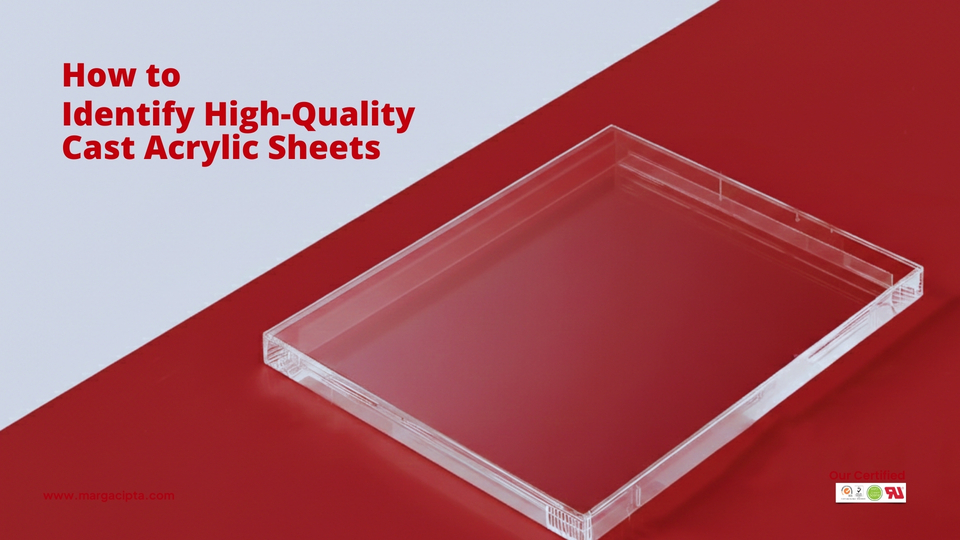
How to Identify High-Quality Cast Acrylic Sheets | Buyer’s Guide

Informational

Cast acrylic sheets are widely used across industries, from interior design and signage to industrial equipment and medical applications. However, not all acrylic sheets offer the same level of quality.

Choosing high-quality cast acrylic sheets is essential to ensure durability, clarity, and long-term performance. This guide will help you identify premium cast acrylic sheets and avoid costly mistakes in your projects.

1. Check Optical Clarity and Surface Finish

One of the most noticeable characteristics of high-quality cast acrylic sheets is their exceptional clarity.

Premium cast acrylic offers glass-like transparency with minimal distortion. When viewed from different angles, the surface should appear smooth, glossy, and free from waves, bubbles, or cloudiness.

Lower-quality acrylic often looks slightly hazy or uneven, especially under strong lighting. For applications such as display panels, signage, or interior partitions, optical clarity is a key indicator of quality.

Read also: Acrylic Sheet for Interior Design: Modern Applications for 2026 | Marga Cipta

2. Consistent Thickness Across the Sheet

Thickness consistency is a critical factor in determining acrylic quality. High-quality cast acrylic sheets are manufactured using controlled casting processes that ensure even thickness from edge to edge.

Inconsistent thickness can cause problems during fabrication, such as uneven bending, poor fitting, or structural weakness.

To check this, measure the sheet at several points. Premium cast acrylic will show minimal variation, making it ideal for precise cutting, machining, and thermoforming.

3. Strength and Impact Resistance

Cast acrylic is known for being stronger and more rigid than extruded acrylic. High-quality cast acrylic sheets offer excellent impact resistance, reducing the risk of cracking or breaking during installation and use.

You can often feel the difference: premium acrylic sheets are more solid and stable, especially in thicker options.

This makes them suitable for demanding applications such as machine guards, safety barriers, furniture components, and architectural elements.

4. Resistance to UV and Weather Conditions

Another important sign of high-quality cast acrylic sheets is UV resistance. Premium acrylic is designed to withstand prolonged exposure to sunlight without yellowing or becoming brittle over time.

This property is crucial for outdoor signage, skylights, and exterior design elements. Acrylic sheets with poor UV resistance may discolor, lose clarity, and require early replacement, increasing long-term costs.

Read also: The Best Cast Acrylic Sheet

5. Ease of Fabrication and Finishing

High-quality cast acrylic sheets are easier to work with during cutting, engraving, drilling, and polishing. Clean edges, smooth laser cuts, and polished finishes are indicators of superior material quality.

Inferior acrylic may chip, melt unevenly, or produce rough edges, which can slow down production and affect the final appearance of the product.

6. Verified Manufacturing Standards

Reliable manufacturers of high-quality cast acrylic sheets follow strict production standards and quality control processes. Look for suppliers that provide clear product specifications, consistent batch quality, and technical support.

Using cast acrylic made from pure raw materials ensures better performance compared to recycled or mixed-content acrylic, which often shows unstable quality.

Conclusion

Identifying high-quality cast acrylic sheets requires attention to clarity, thickness consistency, durability, UV resistance, and fabrication performance.

By choosing premium cast acrylic, businesses and fabricators can achieve better results, reduce waste, and ensure long-term value for their projects.

Investing in high-quality cast acrylic sheets is not just about appearance—it is about reliability, performance, and confidence in every application.

Need high-quality cast acrylic sheet for your next project? Send your order to info@margacipta.com.

Visit our Instagram for more details about our cast acrylic sheets, or download our Product Catalog here.

News Release

Cost Breakdown: How Acrylic Can Help You Save Budget in Long-Term Projects

When planning long-term projects, material selection plays a crucial role in determining overall costs. While acrylic sheets may appear more expensive upfront compared to some alternatives, they often deliver significant acrylic cost savings over time.

Understanding the full cost breakdown can help businesses, contractors, and designers make smarter investment decisions.

Initial Material Cost vs Long-Term Value

At first glance, acrylic sheets may have a higher purchase price than basic materials such as glass or plastic composites.

However, acrylic offers superior strength-to-weight ratio and durability. This means fewer replacements, less breakage, and lower repair expenses throughout the project lifecycle.

For long-term installations like interior panels, signage, safety barriers, and industrial components, choosing acrylic reduces the risk of unexpected replacement costs.

Reduced Installation and Labor Costs

One of the key contributors to acrylic cost savings is easier installation. Acrylic sheets are significantly lighter than glass, which reduces transportation expenses and simplifies handling during installation.

Lighter materials require less structural support, allowing contractors to save on framing and reinforcement costs. Faster installation also means reduced labor hours, especially in large-scale commercial and industrial projects.

Read also: How to Identify High-Quality Cast Acrylic Sheets | Buyer’s Guide

Lower Maintenance and Replacement Expenses

Maintenance costs can quickly add up in long-term projects. Acrylic is resistant to moisture, corrosion, and many chemicals, making it suitable for both indoor and outdoor use.

Unlike glass, acrylic is less likely to shatter on impact. This minimizes repair costs and reduces downtime in operational environments such as factories, retail spaces, and public facilities. Over time, these factors contribute to substantial budget efficiency.

Energy Efficiency and Operational Savings

Acrylic sheets offer excellent light transmission, allowing natural light to pass through while maintaining insulation. In architectural applications, this can help reduce reliance on artificial lighting and lower energy consumption.

For projects such as skylights, partitions, and display panels, improved energy efficiency translates into long-term operational savings, supporting both budget and sustainability goals.

Durability and Long Service Life

High-quality acrylic sheets are designed to withstand UV exposure, temperature changes, and daily wear. This durability extends the service life of the material, reducing the frequency of replacement.

In outdoor applications, acrylic maintains clarity and structural integrity longer than many alternative materials. This longevity plays a major role in maximizing return on investment for long-term projects.

Read also: Does Acrylic Shatter? Find Out Its Strength and Durability

Cost Comparison: Acrylic vs Alternative Materials

When comparing acrylic to materials like glass or polycarbonate, it is important to evaluate total ownership cost rather than initial price alone. Acrylic often offers a balanced combination of durability, appearance, and affordability.

While glass may require frequent replacements and higher installation costs, acrylic provides a safer and more economical solution for projects that demand long-term performance.

Conclusion

Acrylic cost savings become clear when evaluating the complete cost breakdown of long-term projects. From reduced installation and maintenance expenses to energy efficiency and durability, acrylic delivers measurable financial benefits over time.

By choosing acrylic sheets for long-term applications, businesses can protect their budgets while achieving reliable performance and lasting value.

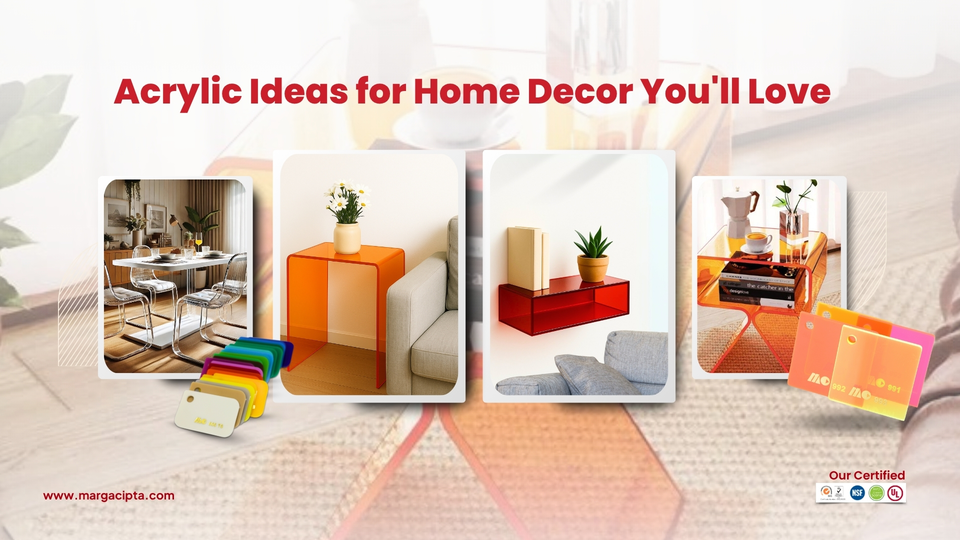
Acrylic Ideas for Home Decor You'll Love

Beyond the usual tables and chairs, there are unique acrylic ideas for home decor you’ve never thought of, and they might just inspire your next project.

Looking for a way to refresh your home with a modern touch? Acrylic is a versatile material that blends durability with style, making it a perfect choice for interior design. 

Check some acrylic ideas that you might want to create. 

1. Acrylic Floating Shelves

Clear acrylic shelves create a sleek, minimalist look while making your walls appear more spacious. They’re perfect for displaying books, plants, or collectibles without adding visual clutter.

Read also: Things to Check Before Buying Acrylic

2. Acrylic Coffee Table with a Twist

Try a round or geometric-shaped acrylic coffee table to give your living room a modern, airy vibe. The transparency makes even small spaces feel larger.

3. Wall Art with Acrylic Panels

Acrylic sheets can be transformed into colorful, layered wall art. Add paint, prints, or engravings to create a bold statement piece that instantly upgrades your room.

4. Acrylic Frames for a Gallery Wall

Unlike traditional wooden frames, acrylic photo frames offer a contemporary edge. Use them to create a gallery wall that feels light, modern, and easy to update over time.

5. Acrylic Lamp Stands and Lighting

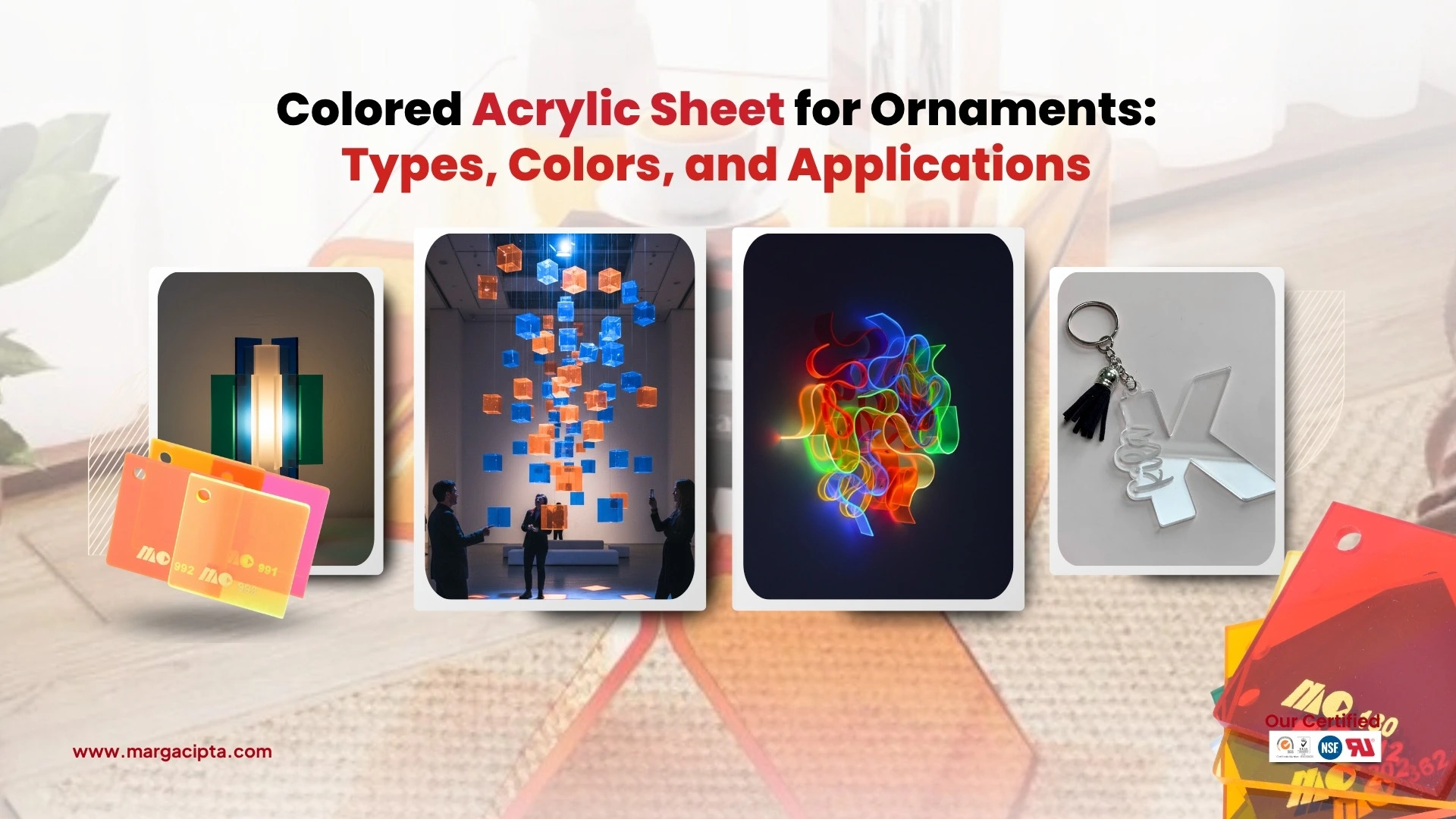
Acrylic is perfect for diffusing light softly, making it ideal for lamp bases or creative lighting fixtures. It adds a stylish glow to bedrooms, living rooms, or even workspaces.

Read also: Does Acrylic Shatter? Find Out Its Strength and Durability

6. DIY Acrylic Accessories

From key holders to desk organizers, acrylic can be cut and shaped into practical yet decorative accessories. These little touches add functionality while keeping the aesthetic chic.

7. Acrylic Plant Stands

Combine greenery with modern design by using acrylic plant stands. The transparent look highlights your plants while giving the illusion of floating pots.

Acrylic is more than just a modern material, it’s a design tool that can transform your home.

From shelves and furniture to wall art and accessories, these acrylic ideas for home decor will bring a fresh, stylish, and unique vibe to your space.

PT Margacipta Wirasentosa offers high-quality cast acrylic made from 100% virgin MMA, with NSF-certified options for food contact applications.

Acrylic Sheet Thickness Guide: How to Choose the Right One

When working with acrylic sheets for your project, whether it's for signage, display units, or protective panels, choosing the right acrylic sheet thickness is just as important as selecting the right color or finish. 

Thickness affects not only the durability and appearance of your acrylic but also how it performs under pressure or load.

In this guide, we’ll walk you through different acrylic sheet thickness options and the types of projects they’re best suited for.

Why Acrylic Sheet Thickness Matters

The thickness of an acrylic sheet determines its strength, rigidity, and suitability for specific uses. 

A sheet that is too thin might bend or crack under stress, while one that’s too thick could be unnecessarily heavy and more costly. 

By understanding how each thickness performs, you can make a more informed decision that balances durability, appearance, and budget.

Read also: Choose the Right Cast Acrylic Color for Your Project

1. Thin Acrylic Sheets (1.5mm–3mm): Lightweight and Flexible

These thin sheets are commonly used for light-duty applications such as brochure holders, menu covers, small signage, DIY crafts, and protective face shields. 

They’re easy to cut and shape, making them ideal for creative and decorative projects that don’t require heavy impact resistance.

However, due to their flexibility, they are not recommended for structures that need to support weight or endure constant handling.

2. Medium Thickness (4.5mm–6mm): Versatile and Sturdy

Acrylic sheets in the mid-range thickness offer a perfect balance between flexibility and strength. This makes them suitable for a wide range of uses, including display cases, retail fixtures, and architectural panels. 

They provide good visual clarity and resistance to breakage, while still being lightweight enough for wall-mounted or suspended designs.

These are often used in interior partitions, desk dividers, or lightboxes, especially when durability and a polished appearance are both priorities.

3. Thick Acrylic Sheets (8mm–12mm): Durable and Impact-Resistant

For applications that require greater structural strength, such as aquarium panels, furniture, shelving, or heavy-duty display stands, thicker acrylic sheets in the 8mm to 12mm range are a solid choice. 

These sheets can withstand more weight and pressure, offering high impact resistance and rigidity.

Thicker sheets also provide better sound insulation and can be used in environments where both functionality and safety are essential.

Read also: Benefits of Using Clear Cast Acrylic Sheet

4. Extra Thick Acrylic (15mm and above): Structural and Architectural Uses

At 15mm or thicker, acrylic sheets are often chosen for architectural glazing, outdoor signage, large installations, and furniture with load-bearing needs. 

These sheets are highly rigid and can serve as structural components or even as an alternative to glass in many applications.

They’re often used in museums, commercial buildings, and high-end retail designs where aesthetics and strength go hand in hand.

How to Choose the Right Thickness for Your Project

To select the right acrylic sheet thickness, here are some things to consider:

  • Weight or pressure the sheet needs to support
  • Installation method (e.g., freestanding, wall-mounted, framed)
  • Environmental exposure (e.g., indoor vs. outdoor)
  • Aesthetic requirements (how polished or sleek it should appear)
  • Budget considerations

If you’re working with lighting, remember that thinner sheets may allow better light transmission, while thicker sheets can give a more diffused and solid look.

Understanding acrylic sheet thickness is crucial for ensuring that your design looks great and performs as expected. 

From delicate crafts to structural installations, choosing the right thickness enhances both the function and lifespan of your acrylic piece.

At Margacipta Wirasentosa, we offer a wide range of acrylic sheet thicknesses tailored for every kind of project.

Need help finding the right acrylic sheet thickness? Contact our team or visit our Instagram for recommendations and high-quality cast acrylic sheets that match your vision.

How to Clean Acrylic Without Scratching

Acrylic is a popular material used in signage, displays, furniture, and protective panels due to its clarity and lightweight properties. However, cleaning acrylic requires special care. If done incorrectly, it can easily get scratched, reducing its visual quality.

In this guide, we will show you how to clean acrylic without scratching so you can maintain its clarity and extend its lifespan.

1. Remove Dust Before Cleaning

Before applying any liquid cleaner, always remove dust and loose particles from the surface. Dust can act like abrasive material and cause scratches when wiped.

Use a soft microfiber cloth or a gentle air blower to remove debris. Avoid using rough fabrics or paper towels, as they can damage the surface.

Read also: Benefits of Using Clear Cast Acrylic Sheet

2. Use the Right Cleaning Solution

Choosing the correct cleaning solution is crucial. Avoid using glass cleaners that contain ammonia or alcohol, as these chemicals can damage acrylic and cause it to become cloudy.

Instead, use a mild soap mixed with water or a specialized acrylic cleaner. This ensures that the surface remains clear and undamaged.

3. Clean with a Soft Cloth

Always use a clean, soft microfiber cloth when wiping acrylic. Gently wipe the surface without applying too much pressure.

Use a dabbing or light wiping motion rather than scrubbing. Scrubbing can create fine scratches that are difficult to remove.

4. Avoid Circular Motions

While it may feel natural to wipe in circles, this method can create visible swirl marks on acrylic surfaces.

Instead, clean in straight lines, preferably in one direction. This helps maintain a smooth and uniform finish.

5. Dry Properly

After cleaning, dry the acrylic with a separate dry microfiber cloth. This prevents water spots and streaks from forming.

Make sure the cloth is clean and free from dirt to avoid reintroducing particles onto the surface.

6. Handle with Care

Prevention is just as important as cleaning. Avoid placing sharp or rough objects directly on acrylic surfaces.

If the acrylic is used in high-contact areas, consider adding a protective coating or cover to reduce the risk of scratches.

Read also: Does Acrylic Shatter? Find Out Its Strength and Durability

7. What to Avoid

To keep acrylic in the best condition, avoid the following:

  • Paper towels or rough cloths
  • Ammonia-based cleaners
  • Alcohol or solvent-based products
  • Excessive pressure while cleaning

Conclusion

Knowing how to clean acrylic without scratching is essential to maintaining its clarity and appearance. By using the right tools and techniques, you can keep your acrylic surfaces looking new for a long time.

Simple habits such as using microfiber cloths, avoiding harsh chemicals, and cleaning gently can make a significant difference in preserving the quality of acrylic.

Ready to explore your clear cast acrylic options? At Margacipta Wirasentosa, we offer high-quality clear cast acrylic sheets from 100% virgin MMA in various thicknesses and custom sizes to fit your needs.

Reach to our Instagram or download our Product Catalog for more information.